Destination weddings look effortless in the final gallery. They are not effortless to shoot — and we think couples planning one benefit from knowing what actually happens behind the frame.
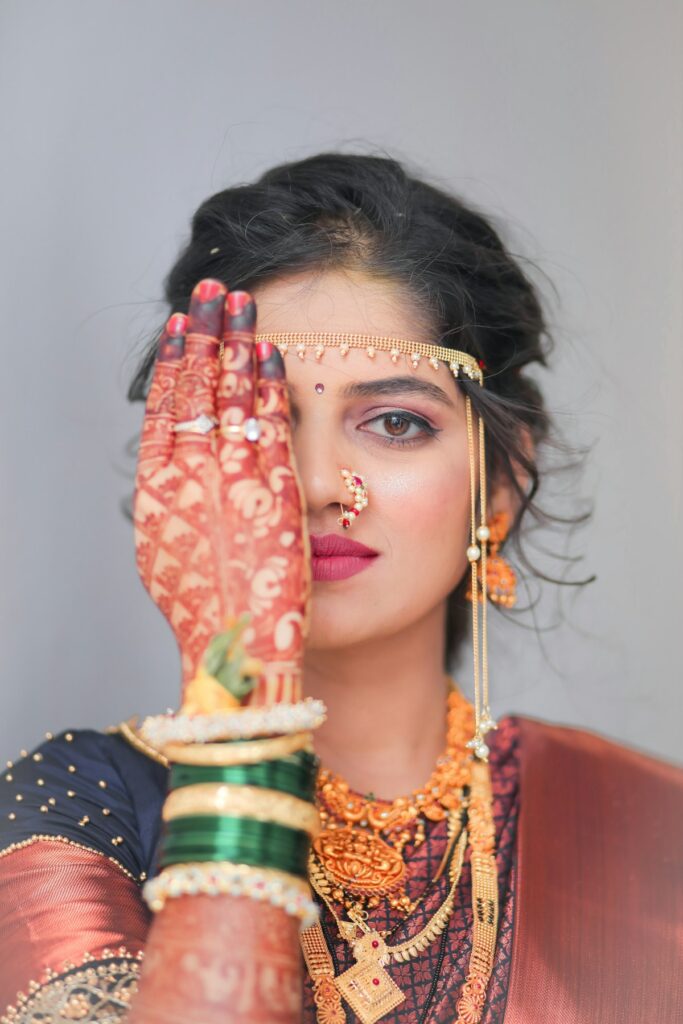
Day one: arrival and mehndi
Our team typically arrives a full day ahead of the first function, specifically to scout light at the actual venue rather than relying on photos sent in advance. Venues photograph differently in person than they do in a brochure, and that scouting day changes our entire shot plan.
Day two: the ceremony
Multi-day weddings usually mean multiple outfit changes, multiple mini-ceremonies, and a schedule that shifts by hours without much warning. We build in deliberate buffer time around every function specifically because destination wedding timelines almost never run exactly as planned — and that’s fine, as long as your photography team expects it.
Day three: reception and departure
By the final function, most of the formal "documentation" pressure is gone, and this is often where our favorite, loosest images come from — tired families, unplanned dance floors, and the specific kind of joy that only shows up after a wedding has technically already happened.
If you’re planning a destination wedding, our biggest piece of advice is this: build in more buffer time than feels necessary, and choose a photography team who has covered multi-day functions before, not just single-day weddings in unfamiliar locations.